Logic Mathematics and Algorithms
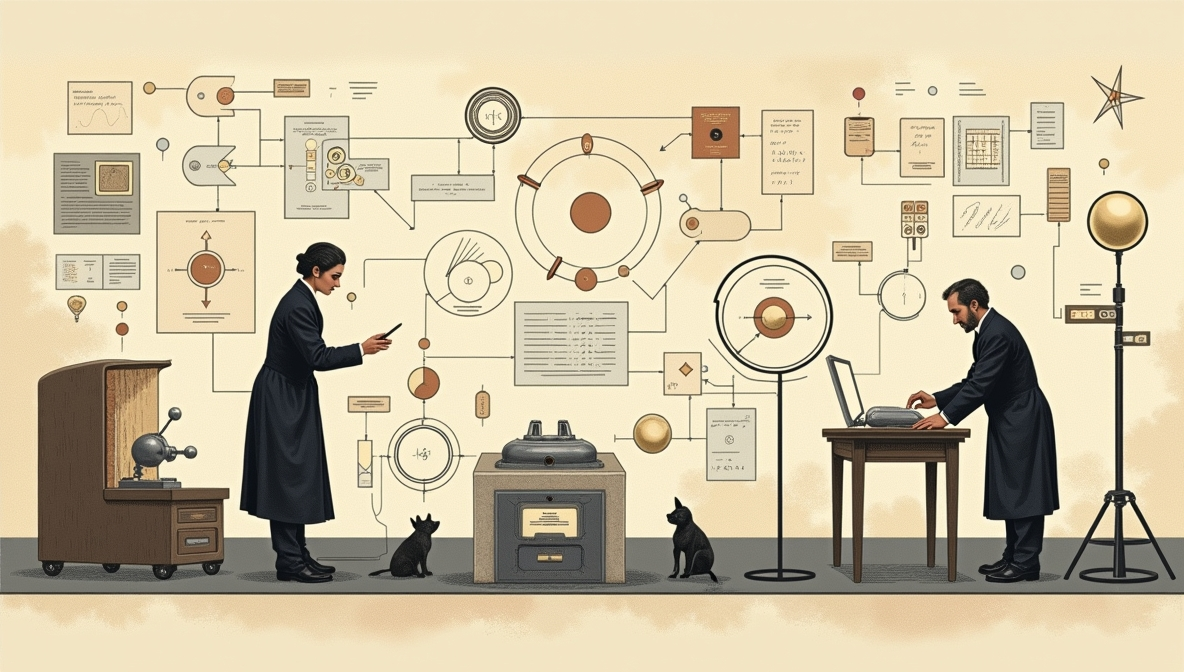
Logic Mathematics and Algorithms explores the ideas that provide the intellectual foundations of computing, scientific reasoning and systematic problem-solving. Long before electronic computers existed, mathematicians and philosophers were developing methods for breaking complex problems into precise sequences of logical steps.
Mathematics has always provided tools for describing patterns, quantities and relationships. Logic adds rules for determining whether conclusions follow correctly from given information, while algorithms provide structured procedures for solving particular problems. Together, these disciplines created many of the principles upon which modern computer science was eventually built.
The history of Logic Mathematics and Algorithms stretches from ancient mathematical methods to the revolutionary work of nineteenth- and twentieth-century thinkers. Euclid demonstrated systematic mathematical reasoning, while later scholars developed algebra, probability and increasingly sophisticated methods of calculation.
During the nineteenth century, George Boole transformed formal logic by expressing logical relationships mathematically. Boolean algebra eventually became fundamental to digital electronics and computer programming because its true-or-false operations can be represented by the binary states used by computers.
Charles Babbage and Ada Lovelace brought mathematical reasoning closer to programmable machinery. Lovelace’s description of a method for calculating Bernoulli numbers using Babbage’s proposed Analytical Engine is frequently regarded as an important early example of a computer algorithm.
From Mathematical Logic to Computer Science
The development of Logic Mathematics and Algorithms accelerated during the twentieth century. Mathematicians including Alan Turing investigated the fundamental nature of computation, asking which problems could be solved through clearly defined mechanical procedures. These theoretical ideas became increasingly important as electronic computers turned mathematical concepts into practical technology.
Algorithms now influence almost every aspect of digital life. They help computers search information, process data, encrypt communications, recommend content, navigate roads and perform calculations that would once have required enormous amounts of human effort.
This Walkeropedia category examines the mathematicians, logicians, theories and algorithms that shaped our understanding of computation. By exploring Logic Mathematics and Algorithms, we can trace the fascinating journey from abstract mathematical reasoning to the principles powering today’s digital world.
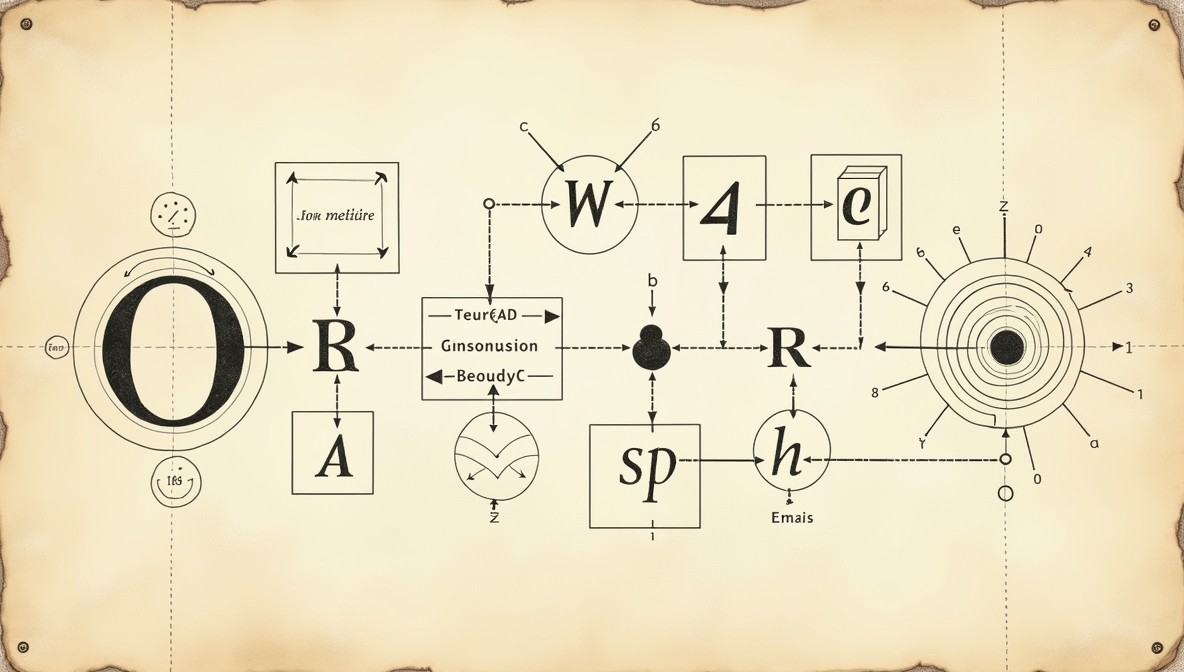
Symbolic processing describes an approach to computation in which symbols are manipulated according to formal rules rather than treated as numerical values alone. By focusing on representation, logic, and meaning, symbolic processing laid essential foundations for programming, artificial intelligence, and the development of reasoning systems in computing.
Logic and algorithms provide the foundation for structured reasoning, allowing complex problems to be broken down into clear, repeatable steps. By combining formal logic with defined procedures, these ideas underpin everything from early mathematical reasoning to modern computing systems.