Scientists Thinkers and Innovators
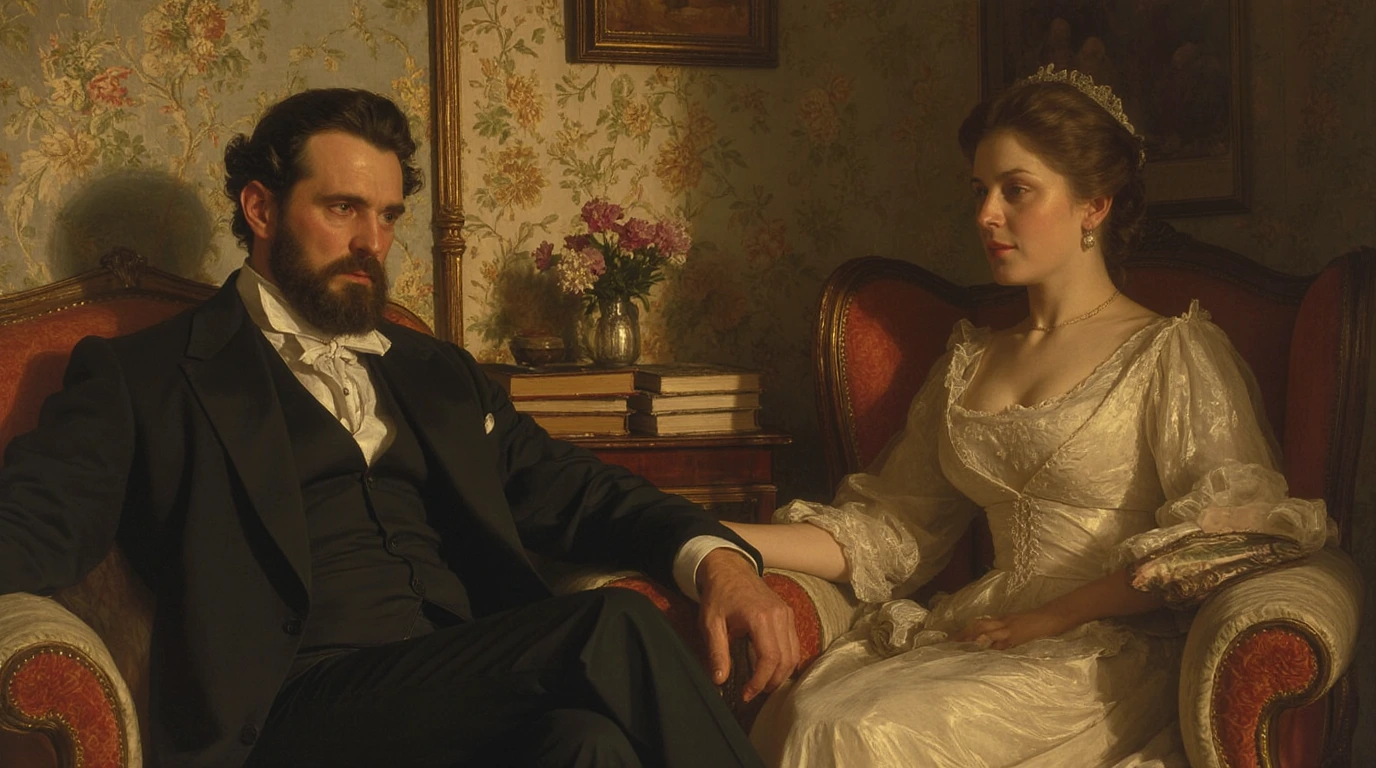
Scientists Thinkers and Innovators explores the remarkable people whose ideas, discoveries and inventions have changed how we understand the world. From pioneering mathematicians and experimental scientists to engineers, inventors and intellectual visionaries, these individuals challenged accepted thinking and helped shape modern society.
Scientific and technological progress rarely happens in isolation. New discoveries often build upon earlier ideas, while breakthroughs can emerge when established assumptions are questioned. Figures such as Isaac Newton transformed mathematics and physics, while Michael Faraday’s experiments with electricity and magnetism helped provide foundations for the electrical age. James Clerk Maxwell later united important principles of electricity, magnetism and light through mathematical theory.
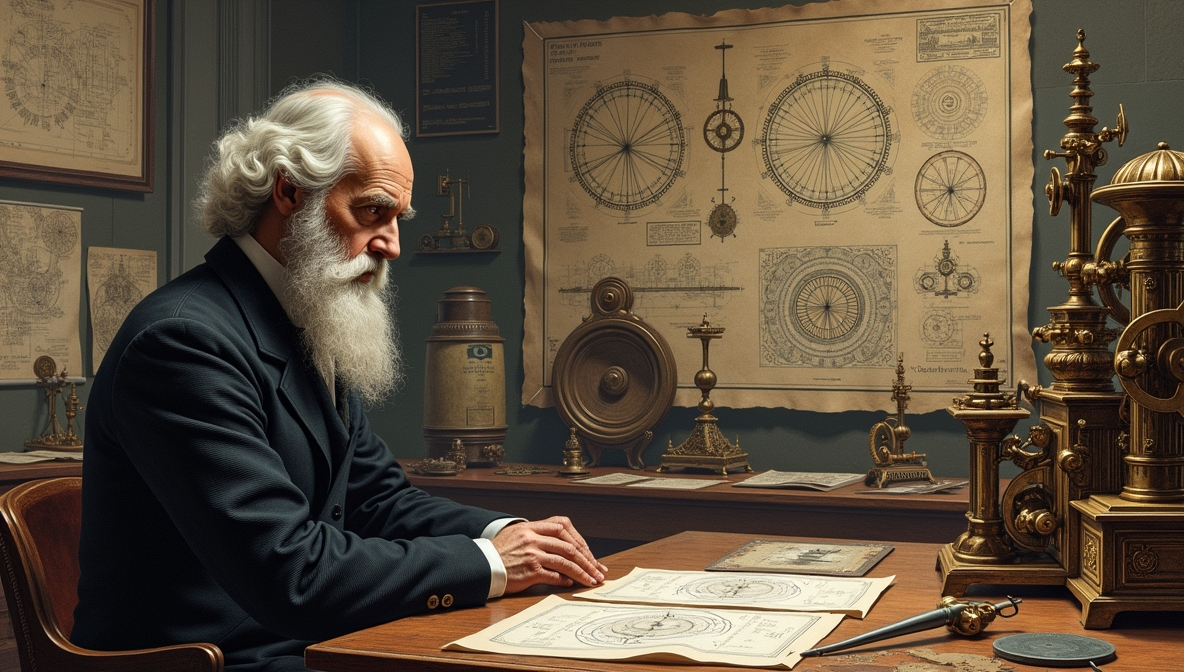
The story of Scientists Thinkers and Innovators also includes pioneers whose ideas were far ahead of the technology available during their lifetimes. Charles Babbage designed mechanical calculating machines that anticipated important features of modern computers, while Ada Lovelace recognised that programmable machines might eventually manipulate information beyond numerical calculation.
Other influential thinkers changed humanity’s understanding of life and the natural world. Charles Darwin’s theory of evolution by natural selection transformed biology, while scientific writers such as Mary Somerville helped communicate complex discoveries to wider audiences and encouraged greater recognition of women’s contributions to science.
The People Behind World-Changing Ideas
Understanding Scientists Thinkers and Innovators means looking beyond famous inventions and scientific theories. Their achievements were shaped by curiosity, education, collaboration, rivalry, experimentation and, frequently, failure. Some discoveries emerged from carefully planned research, while others resulted from unexpected observations or entirely new ways of approaching familiar problems.
Their influence can be found throughout modern life. Computing, electricity, medicine, communications, engineering and our understanding of the universe all developed through generations of people prepared to investigate difficult questions and challenge conventional wisdom.
This Walkeropedia category brings together biographies and stories of Scientists Thinkers and Innovators, examining their achievements, their historical context and the lasting impact of their ideas. It celebrates not simply what these remarkable individuals discovered, but how human curiosity and ingenuity continue to expand the boundaries of knowledge.
James Clerk Maxwell was neither a showman nor a polemicist, yet his work quietly unified electricity, magnetism, and light into a single mathematical framework. In translating Faraday’s experimental insight into formal law, he created the foundations of modern physics and marked the moment Victorian science became something recognisably modern.
Mary Somerville was a quiet architect of modern scientific thinking, translating complex mathematics into ideas that connected astronomy, physics, and philosophy. Working outside formal institutions, she helped shape Victorian science into a coherent intellectual system and left a legacy that influenced figures from Babbage to Lovelace.
Augustus De Morgan was not a man of spectacle or invention, but of discipline and structure. In an age defined by engines, experiments, and discovery, he focused instead on ensuring that ideas behaved correctly. His work formalised the rules of logic, shaped Victorian mathematics, and quietly laid foundations that modern algorithms still rely on. Though often overlooked, De Morgan’s influence persists wherever reasoning must remain precise, consistent, and accountable.
Michael Faraday was an experimental genius whose discoveries revealed the invisible forces of electricity and magnetism. Working without advanced mathematics or privilege, he transformed scientific curiosity into practical laws that still shape the modern world.
Through storytelling rather than theory, Dickens revealed how Victorian systems shaped everyday lives. By following individuals through debt, labour, and bureaucracy, he turned fiction into social diagnosis, making the hidden costs of progress visible without explanation or moral instruction.
Charles Babbage was a visionary mathematician and engineer whose unfinished machines laid the conceptual foundations of modern computing. Brilliant, exacting, and frequently at odds with his contemporaries, he imagined programmable calculation long before the technology existed to realise it.
Ada Lovelace was not simply the first programmer, but the first thinker to understand what computation could become. Working within Victorian science, she connected mathematics, logic, and imagination to reveal how machines might manipulate symbols, processes, and ideas — shaping the foundations of modern computing long before computers existed.