Early Computing and Machines
Early Computing and Machines explores the inventions, ideas and remarkable people who laid the foundations of modern computing long before electronic computers became part of everyday life. From mechanical calculators and automated machinery to programmable concepts, these early developments reveal that the history of computing stretches back centuries.
The story begins with humanity’s desire to make calculation faster and more reliable. Devices such as the abacus provided simple assistance, while seventeenth-century inventors including Blaise Pascal and Gottfried Wilhelm Leibniz developed mechanical calculating machines capable of performing mathematical operations.
During the Industrial Revolution, increasingly sophisticated machinery introduced another important idea: automation. Joseph Marie Jacquard’s programmable loom used punched cards to control weaving patterns, demonstrating how stored instructions could determine the behaviour of a machine. That principle would later become enormously important in computing.
The nineteenth century brought some of the most ambitious developments in Early Computing and Machines. British mathematician Charles Babbage designed his Difference Engine to automate mathematical calculations before developing plans for the far more advanced Analytical Engine. Although never completed in his lifetime, the Analytical Engine contained concepts recognisable in modern computers, including memory, processing and programmable instructions.
From Mechanical Calculation to Programmable Computers
Ada Lovelace recognised that Babbage’s Analytical Engine could potentially manipulate more than numbers. Her notes included an algorithm intended for the machine and explored possibilities that extended far beyond straightforward calculation, earning her an important place in computing history.
The development of Early Computing and Machines also involved mathematicians, engineers, inventors and manufacturers whose work gradually transformed mechanical calculation into information processing. Punched cards, mathematical logic and increasingly sophisticated calculating machines eventually helped prepare the way for the electronic computers of the twentieth century.
This Walkeropedia category examines these pioneering machines and the people behind them, explaining how centuries of experimentation, mathematics and mechanical ingenuity contributed to the digital technology that now shapes modern life.
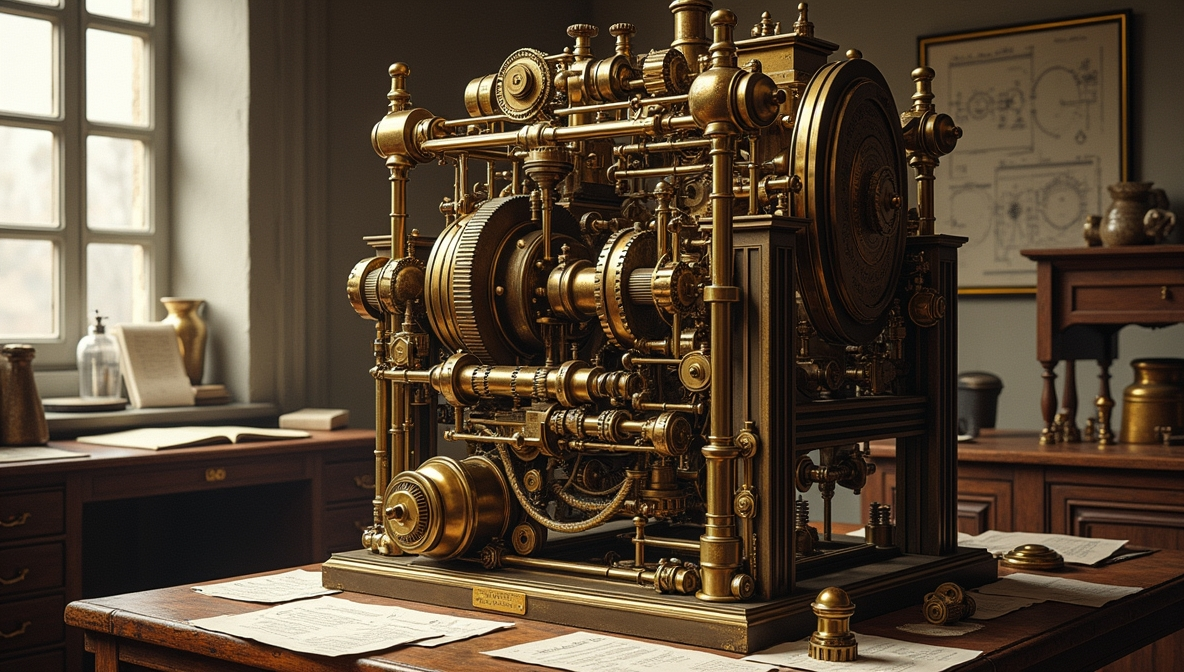
The Analytical Engine was a 19th-century concept that transformed the idea of calculation into something far more powerful: a programmable process governed by logic and instruction. Conceived by Charles Babbage and profoundly interpreted by Ada Lovelace, the engine anticipated many of the principles that define modern computing—long before the technology existed to build it.
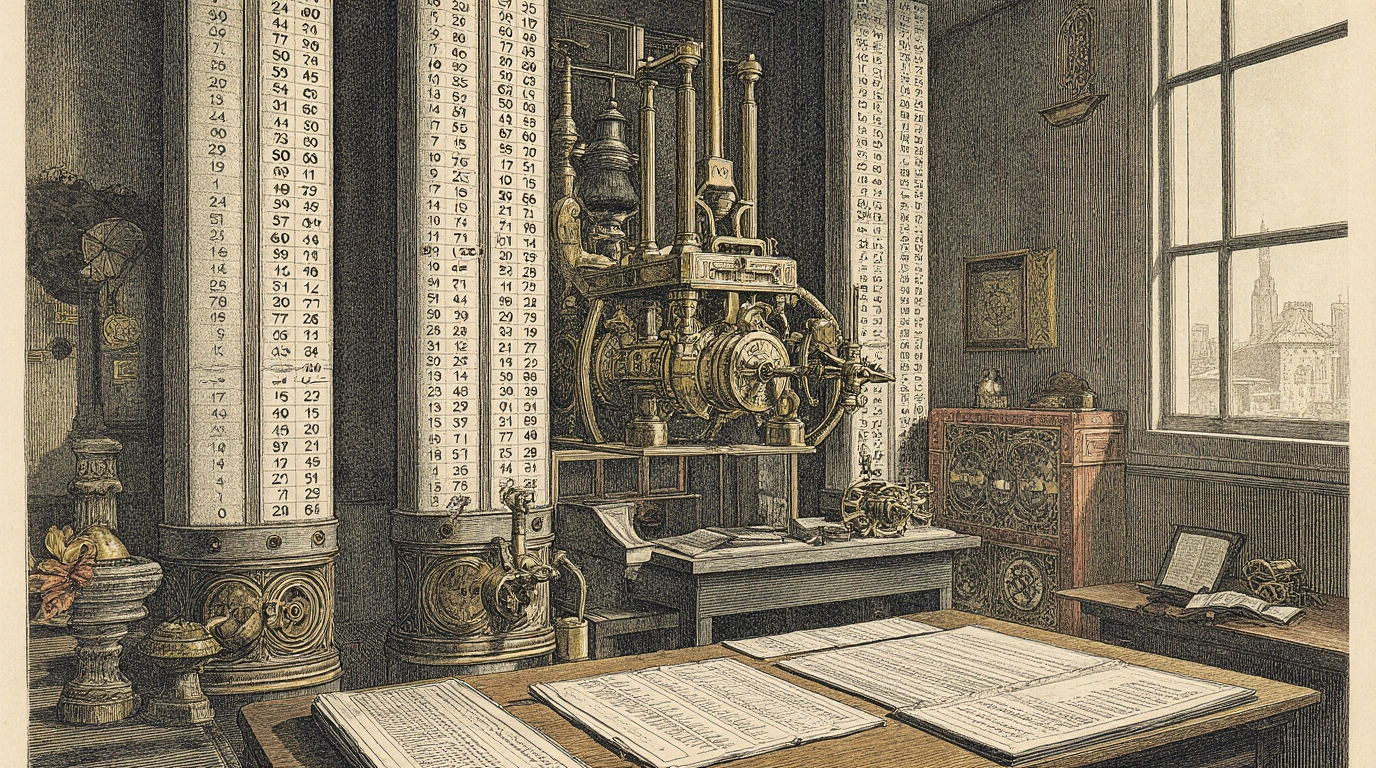
The Difference Engine was a 19th-century mechanical calculating machine designed to eliminate errors from mathematical tables by automating repetitive computation. Conceived by Charles Babbage, it demonstrated that precise calculation could be delegated to machinery, laying important groundwork for later developments in computing.