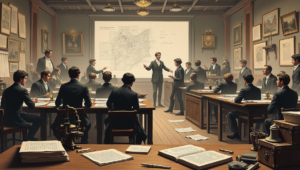
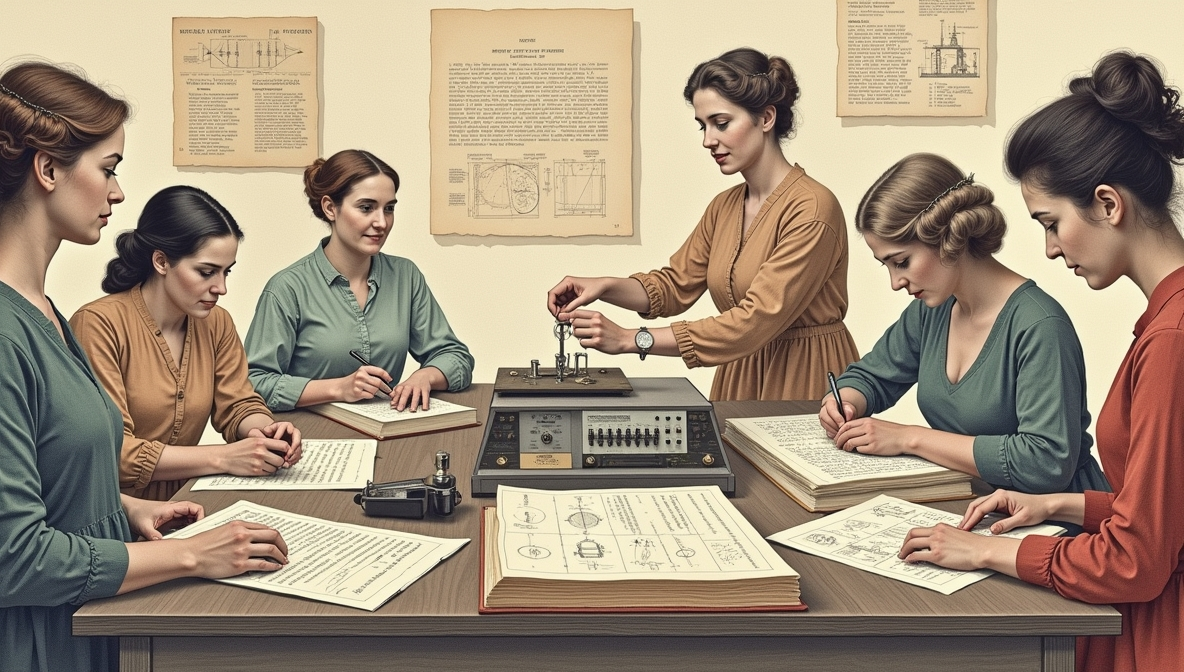
Women in Science have transformed our understanding of the world despite centuries of restrictions on their education, employment and professional recognition. From mathematics and physics to computing, chemistry and biology, women made important discoveries even when scientific institutions were largely closed to them.
Their history is therefore about more than individual achievement. It demonstrates how scientific progress can be restricted when opportunity depends upon gender rather than ability — and how much can be achieved when those barriers begin to disappear.
Women in Science Before Professional Recognition
Women contributed to mathematics and natural philosophy long before they could routinely attend universities or join scientific societies.
Italian mathematician Maria Gaetana Agnesi became one of the eighteenth century’s most distinguished female mathematicians. Her work helped demonstrate that advanced mathematics was certainly not an exclusively male intellectual domain.
The nineteenth century produced further female pioneers in science, but formal opportunities remained severely restricted.
Mary Somerville and Victorian Science
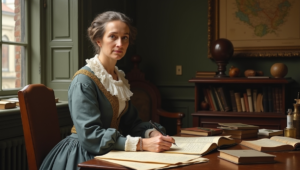
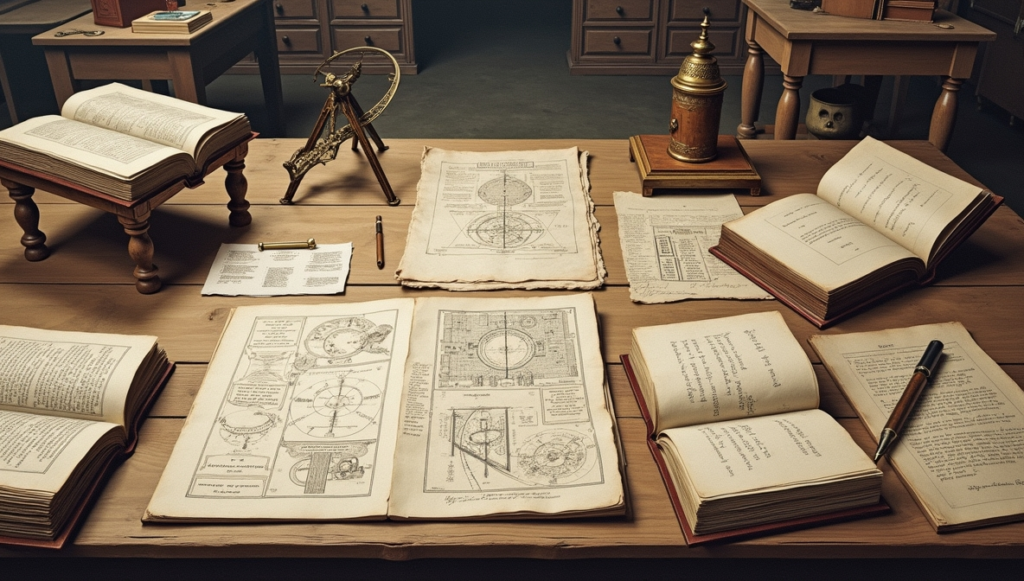
Mary Somerville became a respected scientific writer and mathematician whose ability to explain complex ideas helped connect different scientific disciplines.
She was also associated intellectually with Augustus De Morgan and encouraged the mathematical education of Ada Lovelace.
Ada Lovelace and Early Computing
The Ada Lovelace computing legacy provides another remarkable example of women in Victorian science. Lovelace recognised that Charles Babbage’s Analytical Engine could potentially manipulate symbols according to rules rather than simply calculate numbers.
Later in the century, electrical engineer and physicist Hertha Ayrton conducted important research into electric arcs and fluid dynamics while confronting restrictions within Britain’s scientific establishment.
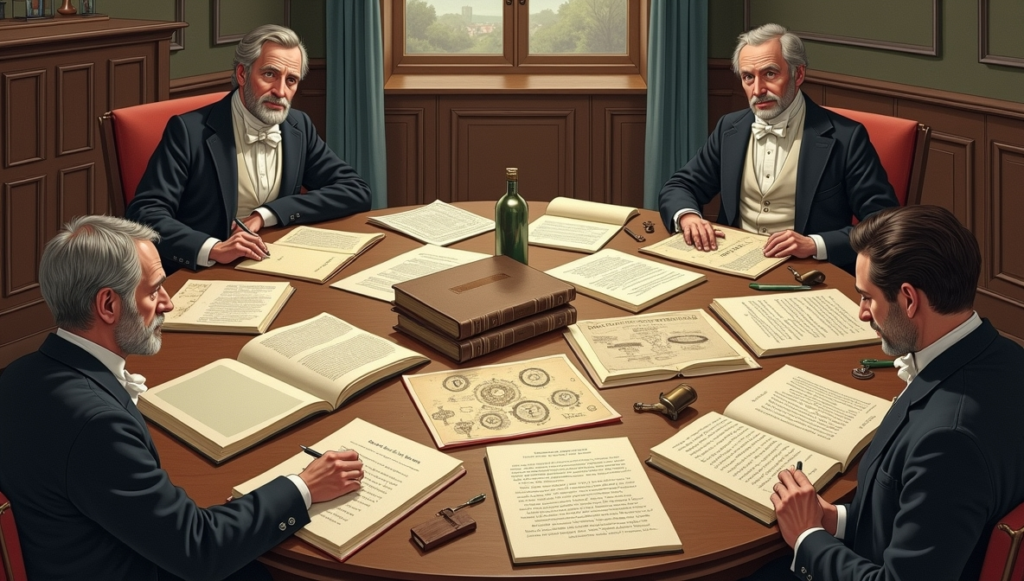
Women Who Shaped Scientific Discovery
The twentieth century brought greater access to scientific education, although recognition did not always follow achievement.
Marie Skłodowska Curie transformed research into radioactivity and became the first woman to receive a Nobel Prize. She remains the only person to have received Nobel Prizes in two different scientific categories, physics and chemistry.
Physics, Chemistry and Mathematics
Austrian-Swedish physicist Lise Meitner played a central role in understanding nuclear fission but was controversially excluded when the Nobel Prize in Chemistry was awarded to her collaborator Otto Hahn.
British crystallographer Kathleen Lonsdale pioneered the use of X-ray crystallography and became one of the first two women elected as Fellows of the Royal Society in 1945.
The other was biochemist Marjory Stephenson FRS, whose research helped establish chemical microbiology as a scientific discipline.
Across the Atlantic, Martha Euphemia Lofton Haynes became the first African American woman known to earn a PhD in mathematics, in 1943.
These were women who shaped scientific discovery, but their achievements also illustrate how slowly institutions changed.
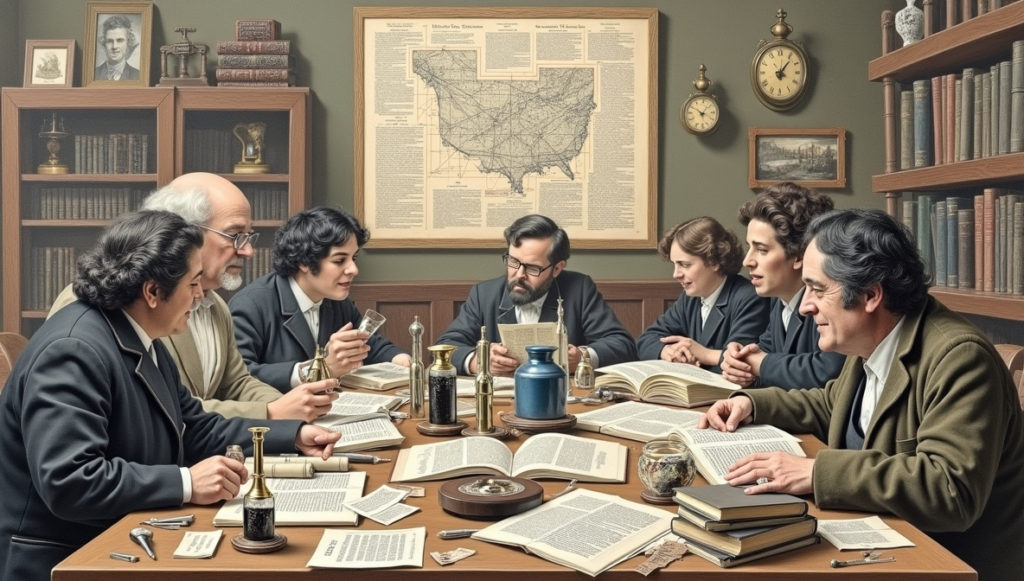
From Astronomy to Modern Computing
In 1967, postgraduate researcher Dame Jocelyn Bell Burnell FRS discovered the first radio pulsars. The discovery became one of the landmark achievements of twentieth-century astronomy.
Women were also important participants in Britain’s emerging computer industry. Mary Coombs became the first woman programmer employed to work on the LEO computers, among the earliest computers developed for commercial business applications.
Another British pioneer, Dina St Johnston, established Vaughan Programming Services in 1959 and became an important figure in Britain’s developing software industry.
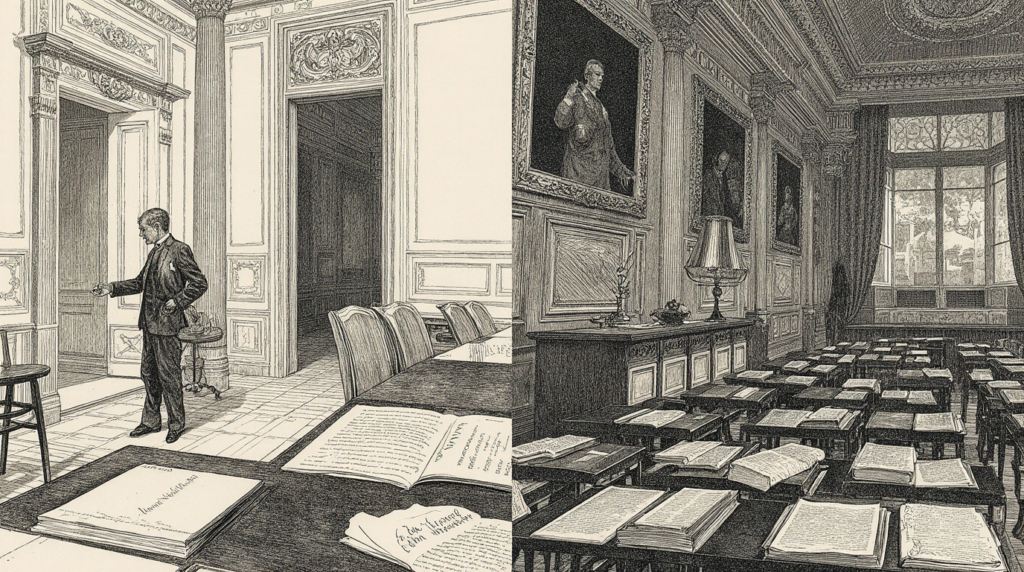
Breaking Barriers to Women in Scientific Careers
The barriers to women in scientific careers were rarely about intellectual ability. Women were denied university places, excluded from societies, restricted from laboratories and sometimes prevented from receiving recognition for work performed alongside male colleagues.
Changing Education and Opportunity
Those restrictions gradually weakened as universities admitted more women and professional organisations opened their memberships.
The social world in which these changes occurred can also be seen through writers such as Charles Dickens, whose work exposed many of the inequalities embedded within nineteenth-century British society.
A Scientific Legacy Still Growing
Greater access has allowed women to contribute more visibly across virtually every scientific discipline. Their achievements also demonstrate why historical recognition matters.
Women in Science were never absent from scientific progress. Too often, they were denied the education, positions, resources or recognition routinely available to men. Recovering their stories therefore does more than correct the historical record. It shows that discovery flourishes when scientific opportunity is determined by curiosity, ability and perseverance rather than by who society believes should be permitted to participate.
“The hardest truth for a child to learn is that their teacher doesn’t know everything.”
– Stephenism
🎵 Soul from the Solo Blogger — Tunes from Túrail.